Are you considering making the switch from gasoline to battery-powered equipment in your landscaping business?
Battery-powered equipment is becoming more and more widely available and popular. Modern battery-powered equipment has the power, reliability, and portability needed for commercial equipment fleets. It also has no emissions and makes less noise than gasoline-powered equipment, making it a good choice for locations with emissions and/or noise regulations. Battery-powered equipment can also save money long-term.
Switching to battery-powered equipment isn’t without its drawbacks, though. There are some limitations to battery power, and certain types of battery-powered equipment have more limitations than others. Using and maintaining battery-powered equipment is also different in several key ways. If you’re going to switch, you need to prepare your business and your crew for the change.
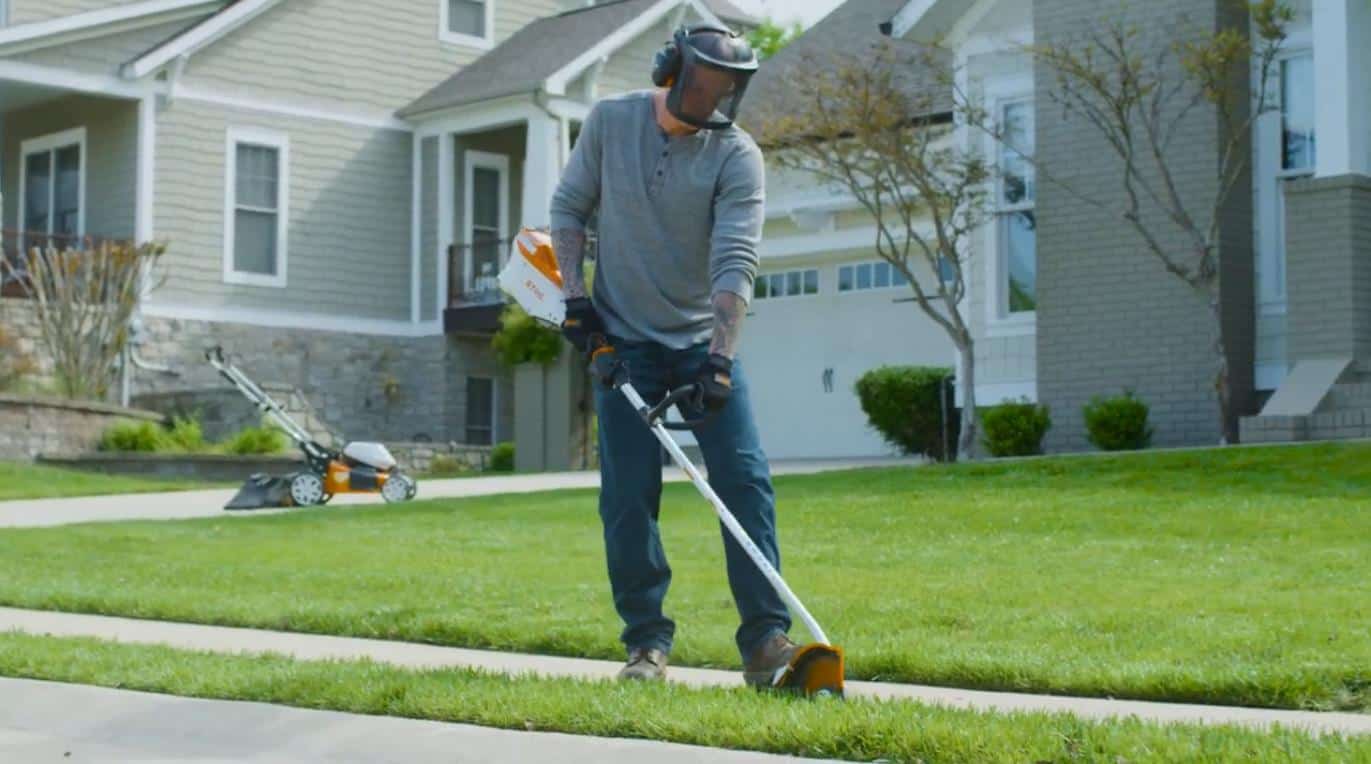
Top Benefits of Battery-Powered Equipment
Change can be challenging, especially if you’re switching from something tried-and-true to new technology. There are significant benefits to choosing battery-powered equipment, though.
Quiet Operation
Battery-powered motors are generally much quieter than gasoline-powered engines. While modern gasoline-powered lawn equipment is quieter than older models, it’s still not as quiet as battery equipment. This makes battery-powered equipment ideal for noise-restricted neighborhoods. It also means that if you’re working early in the morning, you’re less likely to disturb your clients and their neighbors.
Zero Emissions
As more and more states, cities, and HOAs place bans or restrictions on gasoline-equipment use, battery-powered equipment is taking a more important place in lawn and landscaping. It’s environmentally friendly, with zero emissions. Even cities without bans often offer incentives to purchase “green” lawn care equipment, so check if there are rebates and other programs in your area.
Lower Costs
As a general rule, battery-powered equipment has a higher upfront cost than gasoline-powered equipment. When you take fuel into consideration, though, battery-powered equipment has a lower long-term cost. This is particularly true for hand-held equipment. You probably won’t see a significant savings for large equipment like zero-turn mowers, but you can definitely save money with smaller battery-powered equipment like trimmers, blowers, and chainsaws.
Easy Maintenance
With no engine to take care of, maintenance for battery-powered lawn equipment is simple. You just need to clean the equipment regularly and store the batteries properly.
Limitations for Battery Power in Commercial Applications
Even with all the benefits, there are some potential downsides to consider when you switch to battery-powered equipment. Taking these limitations into consideration will help you prepare for the transition to battery power.
Higher Upfront Costs
As previously mentioned, battery-powered equipment is initially more expensive to purchase than gasoline-powered equipment. For hand-held equipment, you can recoup that initial investment fairly quickly, depending on how often you use the equipment, by saving money on fuel. But it still requires more money available up-front if you’re going to purchase electrical equipment. And if you want to go all-electric, there’s a good chance that you won’t be saving money on your larger equipment (like lawn mowers).
Runtime Constraints
The biggest limitations of battery-powered technology in commercial applications are related to the batteries. Modern lithium-ion technology is great at delivering reliable power for the runtime of the battery. But the batteries do run out, and they run out faster when you’re using them with more powerful equipment.
Charging Logistics
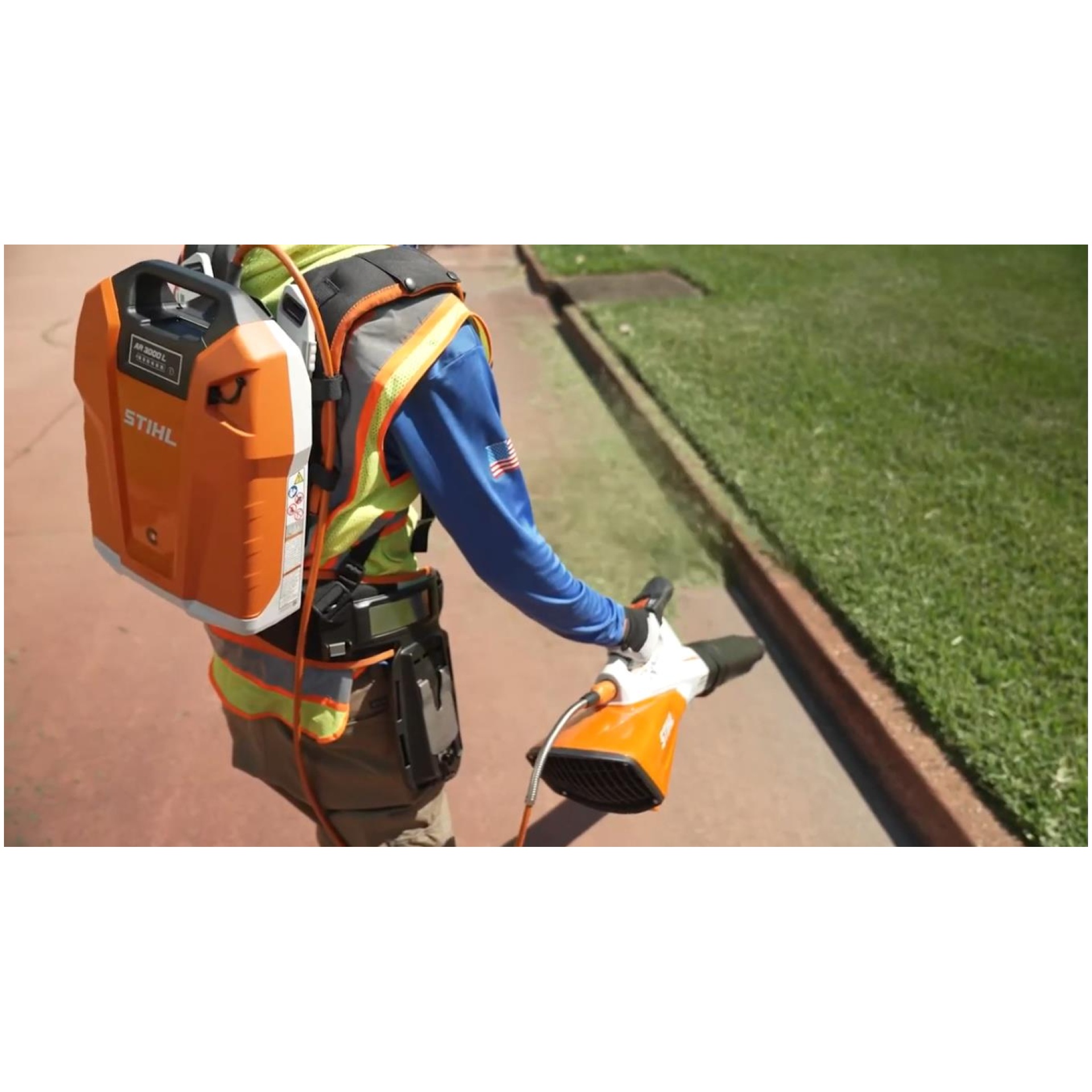
Charging batteries is another major hurdle for landscaping crews. You’ll want to have extra batteries on hand for all your equipment to help avoid downtime, but it might not be practical to carry enough charged batteries to get through the whole workday. Lawn equipment manufacturers recognize this challenge and have several solutions. Some offer commercial charging docks to simplify charging large numbers of batteries overnight. Many also offer on-the-go charging solutions for rapid charging in the field.
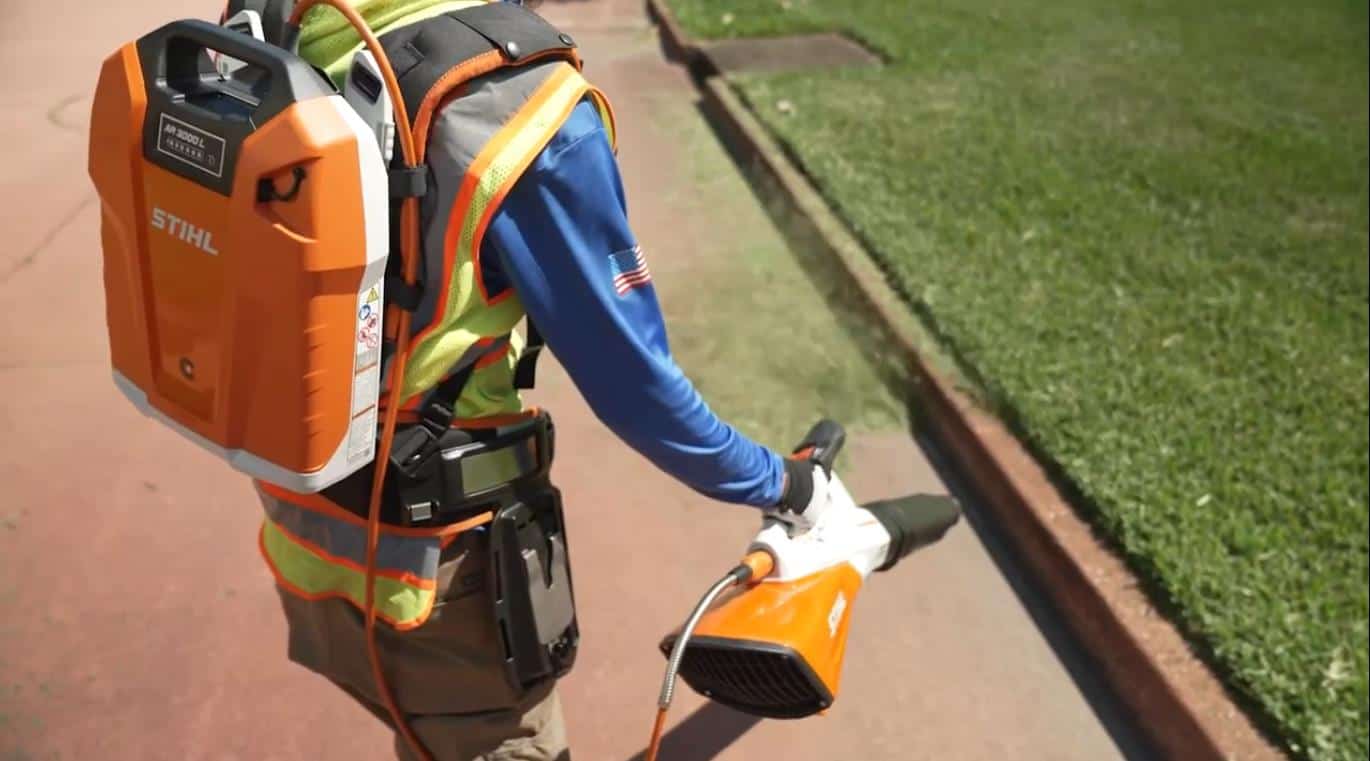
Key Tips for Transitioning
If you’re transitioning from gasoline to battery-powered equipment, it’s important to work on phasing in battery tools without disrupting workflow or productivity. Often, a gradual shift works best.
Change Over Tools Gradually
Replacing all of your tools at the same time can be prohibitively expensive, particularly with the higher upfront cost of battery-powered tools. It often makes more sense to switch over gradually and opt for battery-powered replacements when it’s time to retire older gasoline tools. It can also make sense to start with hand-held tools like trimmers, blowers, edgers, hedge trimmers, and chainsaws rather than immediately replacing all your mowers.
Train Your Crew
There isn’t a big learning curve to changing from gasoline to battery-powered tools. Battery-powered tools are actually easier to use in many ways. The motors are simple to turn on, the tools are typically lightweight, and the controls are easy to use. That said, you will want to train your crew on how to care for the batteries, such as how much to run down the batteries before charging and what to do to keep the tools running well in hot weather.
Plan For Charging
Check the estimated runtimes for different battery and equipment combinations before you choose which brand to purchase. You’ll also want to check on their charging options for commercial clients. For example, EGO’s PGX™ Commercial Charging hub scales with your business to charge up to 70 batteries overnight. EGO also offers a portable power bank that charges batteries off-grid faster than you’ll deplete them while working on-site.
Where To Find Battery-Powered Equipment and Local Support
As a green industry professional, building a relationship with a local dealership ensures you get top-quality tools when you need them and professional service for your existing equipment fleet.
Here at Richardson Saw, we carry commercial-grade battery-powered tools from several trusted brands, including STIHL, ECHO, and EGO. These tools are designed for lawn and landscaping professionals who want to make the switch to battery-powered equipment without sacrificing power and performance. Stop by today to check out our selection of battery-powered tools and talk with our equipment experts about which battery-powered tool line will be best for your crew.