When you’re buying new lawn equipment, the choice between battery power and gasoline power is one of the biggest choices you have to make. There are arguments on both sides of the gas vs electric debate, and you’ll need to weigh the pros and cons to make a decision that matches your lawn care needs.
In Texas, one of the things you have to consider is how well the equipment will perform in the heat of summer. Even if you do yard work in the morning or evening to avoid working in the heat of the day, it still gets really hot here. And if you have to work during the afternoon, heat is an even bigger concern. You might have heard that high heat can impact battery performance, but is that enough of a concern to warrant switching to gasoline instead?
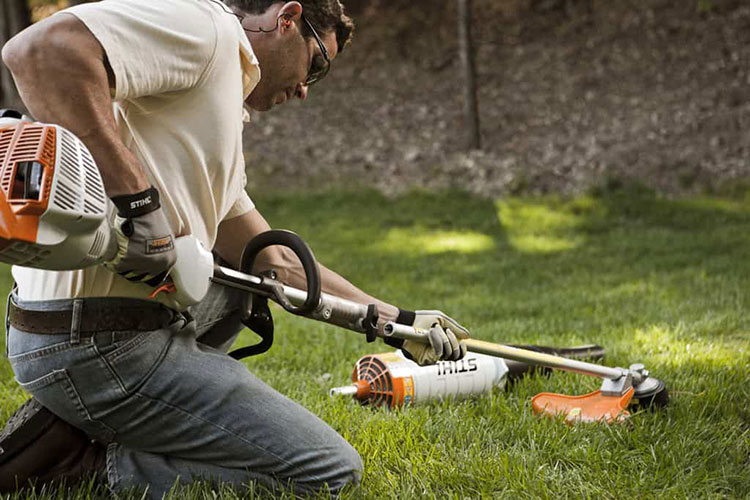
Battery-Powered Tools in the Heat
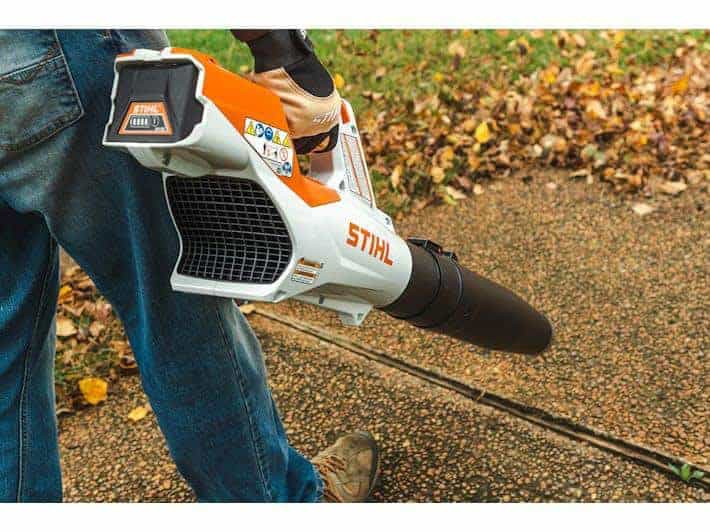
Battery-powered tools offer quieter operation and lower maintenance than comparable gasoline-powered tools. For both homeowners and green industry pros, modern lithium-ion battery technology delivers top-notch performance. Battery-powered tools can also save you money; they’re typically pricier than gasoline up-front, but you save a lot of money in fuel costs, especially for hand-held tools.
It is true that high heat can impact battery performance. However, this has more to do with how you store the batteries than whether you use the tools during hot weather. Battery-powered lawn equipment is engineered to handle the same types of working conditions as gasoline equipment. A good quality battery-powered electric lawn tool will serve you well for working in the Texas heat. You just need to be careful how you store the batteries (more on that later).
Gasoline-Powered Tools in the Heat
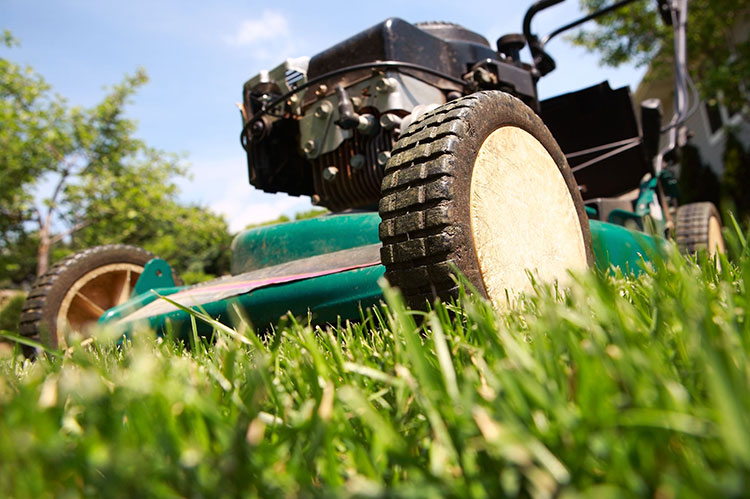
Battery-powered tools can meet most of your needs, but there are situations where gasoline power has some big advantages. Gas tools provide more power for heavy-duty work. If you need a zero-turn riding mower, a powerful farm-and-ranch or commercial chainsaw, or similarly heavy-duty equipment, then gasoline is probably your best choice.
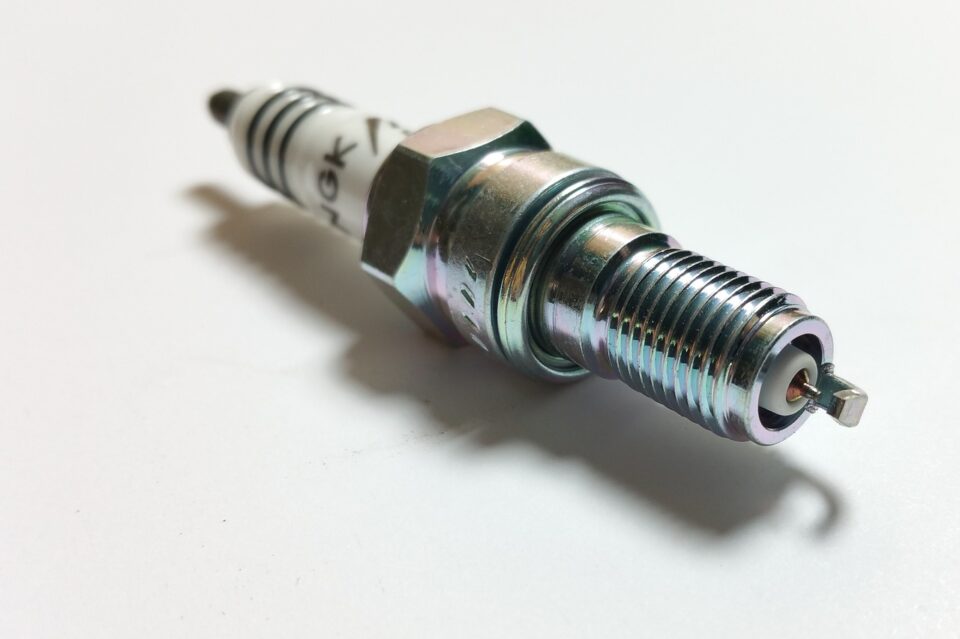
Gasoline tools do require more maintenance than battery tools (those are lower maintenance because they don’t have an engine). They also require fuel, which is more costly than recharging batteries. The upside of fueling with gasoline is that it’s often easier to refuel equipment on the go than it is to recharge batteries (making gasoline a convenient option for commercial lawn care companies).
Storing Batteries or Fuel When the Temperature Rises
As mentioned already, the main thing you need to think about with battery-powered tools in hot weather is how you store your batteries. As a general rule, lithium-ion batteries don’t react well to extreme heat or cold. Cool room temperature is best, but the ideal storage temperature varies depending on the brand. The recommended temperature range for storing STIHL’s batteries is 14°F to 122°F. For Echo, you should store batteries at temperatures lower than 80°F.
Heat can also affect how you store gasoline fuel. The autoignition temperature for gasoline is about 482°F (250°C), so it’s not likely to get hot enough to spontaneously combust all on its own. However, gasoline has a very low flashpoint, making it easy to ignite if there’s a heat source nearby. That can include direct sunlight, as well as things like engine sparks and open flames. Make sure you store gasoline in approved containers and away from ignition sources, including prolonged exposure to direct sunlight.
Keeping Your Equipment Cool
The other heat-related concern, for both battery-powered and gasoline-powered equipment, is keeping the equipment from overheating while you’re working. Make sure you keep the equipment clean and take regular breaks.
Cleaning equipment is an important preventative maintenance task year-round, but it’s particularly important when the weather is hot. Keeping air intake screens, vents, and air filters clean lets air flow freely through the engine (for gasoline-powered tools) or motor (for battery-powered tools). This helps keep the equipment from getting too hot while you’re working.
Just like people, lawn equipment overheats faster when the heat index is high. For days when it’s super hot, everyone working outside should stop for water every 15 minutes and take frequent breaks in shady or air-conditioned areas. Those breaks also give the equipment time to cool down. When you take a break, turn the equipment off and let it rest in the shade for a while so the engine or motor can cool.
Bottom Line: Which Should You Buy?
Both gasoline and battery-powered tools perform well in the Texas heat. You’ll just need to make sure you keep air intakes clean, give the equipment a chance to cool down when working on very hot days, and store the batteries or fuel correctly.
Emissions regulations are spreading across the country, and it’s increasingly becoming a good idea to opt for battery-powered equipment when that choice is practical. Many cities are restricting gasoline engines and/or offering incentives to purchase battery equipment.
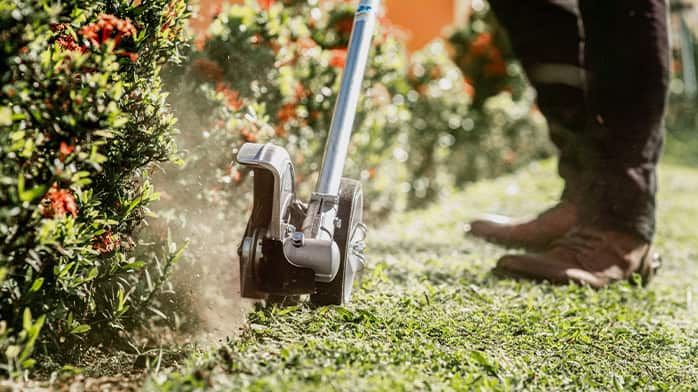
For homeowners, especially those with smaller yards, battery-powered equipment is probably the best choice. It’s low maintenance, has no emissions, and runs much quieter than gasoline engines. For large properties, ranches, and commercial applications, you might consider a combination of battery-powered and gasoline-powered equipment. For example, you might use battery power for hand tools like string-line trimmers, and gasoline for larger tools like a riding mower or farm-and-ranch chainsaw.
Whichever option you choose, Richardson Saw & Lawnmower can help you find the right tool for your job. We carry top-quality homeowner and commercial equipment from the best dealers, including those that offer gasoline and battery-powered equipment as well as battery-exclusive brands like EGO. Our outdoor equipment experts can answer any questions you have about battery vs. gasoline equipment, and help you find the perfect tool to beat the Texas heat.