We all like to save money, but for many of us, it’s even more important right now to stay on a budget. You don’t have to stop gardening or taking care of your lawn, though, just because there’s economic uncertainty.
You can have a gorgeous yard without spending huge amounts of money. It might take a little extra time, but there are tried-and-true methods for gardening on a budget and keeping your lawn looking good without breaking the bank.
Set Your Garden Up For Success
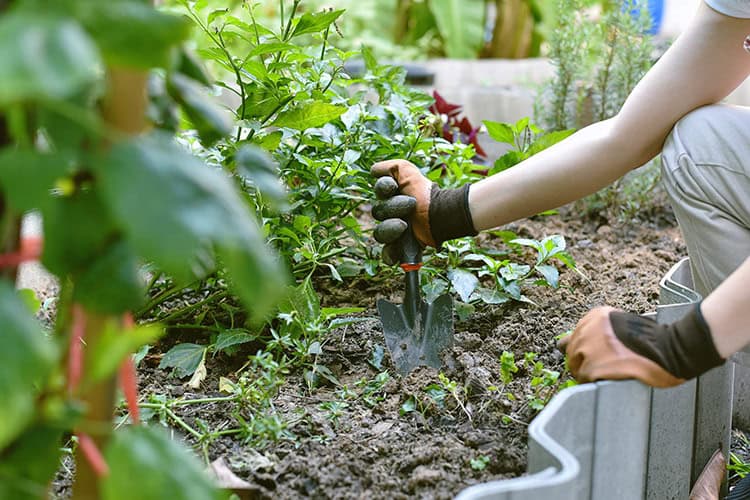
The healthier your garden soil is, the healthier your plants will be. It will be more cost-effective–and easier–if you start by investing in your soil. Work compost into the garden beds to improve soil texture and fertility. You can even make your own compost at little or no cost.
Take some time to research the plants that you want to grow and make sure you put them in the right part of the garden. Different plants have different requirements, and if you plant them in a spot where they won’t do well then you might have to move it or lose the plant. It’s an easy mistake to make, especially in a new house where you’re not used to the patterns of sun and shade in the garden. I planted five tomato plants last year but didn’t realize how much shade a nearby shrub would cast on them and only two of them got enough sun to produce tomatoes. This year, I’ll plant my sun-loving veggies in a different spot.
Start Your Own Seeds Indoors
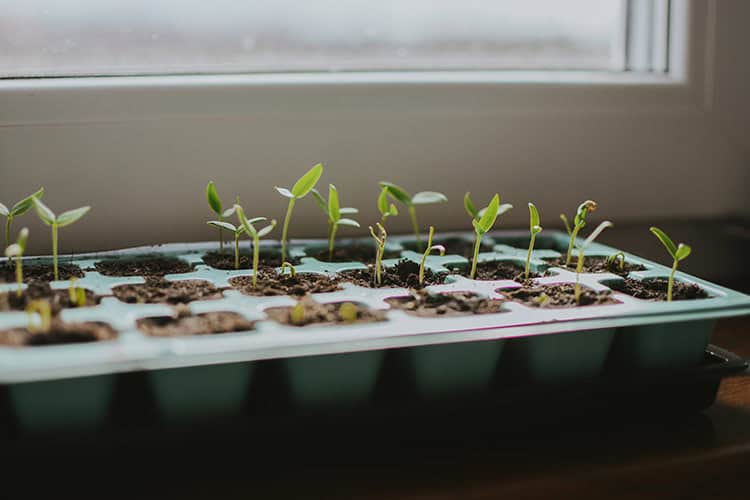
Starting garden plants from seeds is much less expensive than buying full-grown garden plants, but they do require some work. You’ll need some potting mix, containers to put it in, and a place with bright light. You can save time by buying seed starting flats or shallow trays and pre-made seedling mix, or you can DIY it with containers like paper egg cartons and homemade potting mix.
A sunny windowsill is an ideal place for starting seeds. If you don’t have a good location with natural light (as is the case in my house), you can purchase indoor grow lights. Even with the initial cost of purchasing a seed starting setup, you’ll still save money by starting your own seeds compared to buying a lot of bedding plants. Last year, I got my seed starting setup for about the same price that I’d have spent buying just four tomato plants.
Check Out Plant Swaps and Gardening Groups
Many garden plants are easy to propagate and share. If you know someone with the plant that you want in their garden, they can often dig up a small clump and give you a start. For example, when I wanted to grow daylilies, a lady I went to church with invited me over to her home during daylily season and she sent me home with starts of all the plants I liked.
Even if you don’t know any other gardeners yet, you can often find local gardening groups hosting plant swaps or sales. I’ve been to plant swaps hosted by a local library, where gardeners bring small pots or bags with starts of their plants and share them with other gardeners. It’s a great way to get free or low-cost plants, and also to meet other gardeners and chat with them.
Pay Careful Attention to How You Mow
Mowing is the most basic lawn care essential. It probably seems very straightforward, but you might be surprised how much of a difference the way that you mow can make in your yard. Proper lawn mowing will help keep your grass healthy and reduce the need for extra water and fertilizer. Here are four essential tips for good lawn mowing:
- Mow only 1/3 at a time. Cutting only 1/3 of the overall grass height each time you mow keeps the grass healthy and helps cut down on weed growth.
- Mow high. Setting the mower deck high encourages grass to grow deep roots, which helps it resist drought.
- Keep mower blades sharp. Dull blades tear grass and stress the plants, while sharp blades cut the grass cleanly.
- Mulch clippings. Leaving clippings on the lawn returns nutrients and water to the soil.
Only Water and Fertilize When It’s Needed
A lot of lawns in the U.S. are overwatered and over-fertilized. Not only is that unhealthy for the lawns, but it also costs money that you don’t need to be spending. If you follow our mowing tips, lawns won’t need as much water or fertilizer as they would if you were mowing them too short or bagging clippings.
Lawns only need about 1 inch of water a week to stay green and thriving. Water deeply about once a week, and make sure you water less if there was recent rainfall. This helps conserve water and save money.
The best time to fertilize a Texas lawn is early spring and possibly again in late summer. You really only need to fertilize lawns once or twice a year. You can even fertilize the lawn with compost if you want to avoid chemical fertilizers.
Carefully Consider Your Lawn Equipment
When you think of saving money, buying new lawn equipment probably isn’t the first thing that comes to mind. Sometimes, though, you need new lawn equipment. Maybe your old lawn mower finally stopped working, or you have a trimmer that constantly needs repairs, or you moved to a place with a larger yard and need to upgrade or buy new tools.
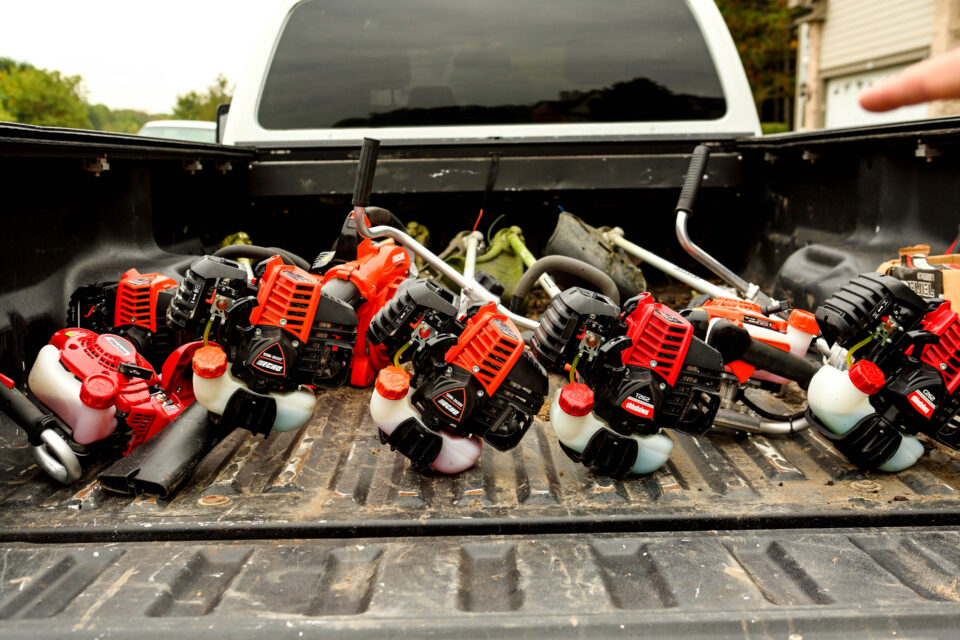
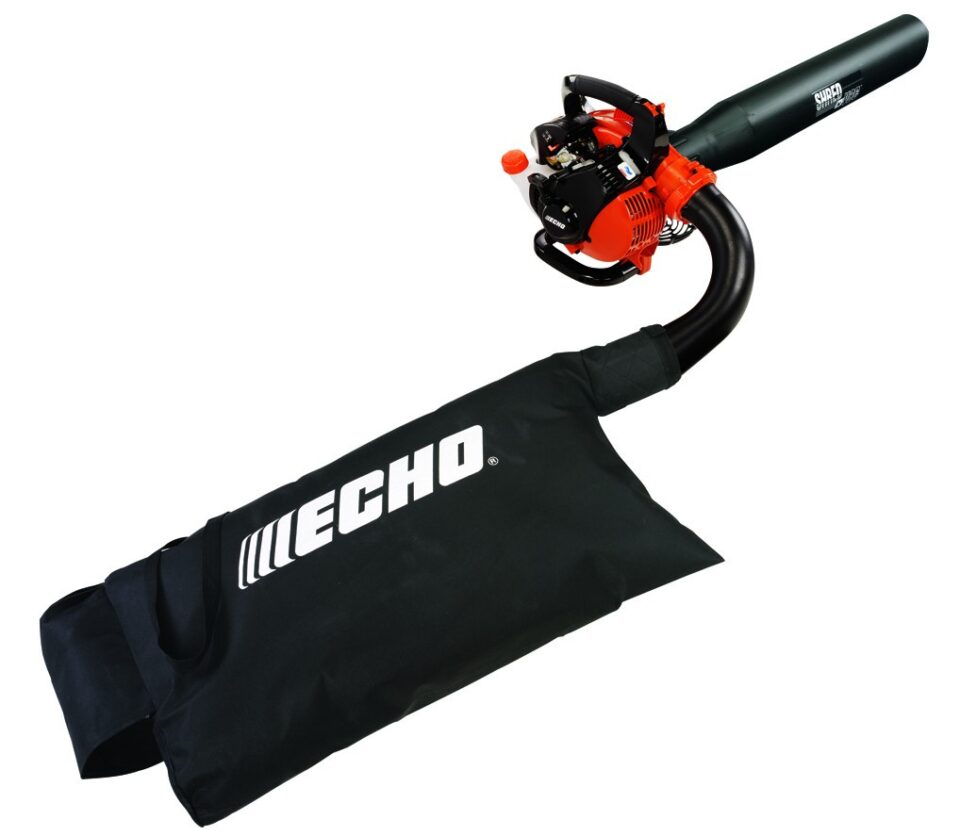
Even if you’re on a budget, it pays to invest in quality lawn tools. Higher quality tools carry a higher price point, but they won’t need to be replaced or repaired as often as cheap tools and it should work out that they’re more economical in the long-term. Battery-powered tools can also save money over time; the higher initial cost is offset by not needing to buy gasoline. And if you need to purchase multiple new tools, you can often save money by getting a multi-tool system rather than buying several separate tools. Come visit us at Richardson Saw and Lawnmower if you’re looking to purchase reliable, good-quality lawn equipment.