Peat is a go-to ingredient in gardening and landscaping. If you’ve ever added amendments to garden soil, grown plants in containers, and especially if you’ve ever started seeds indoors, then you’ve probably used peat. But there’s been more and more talk recently about the environmental downsides of harvesting peat, even to the point that the U.K. is banning peat harvesting, sale, and use by 2030.
There aren’t any similar bans in the U.S. or Canada, but there are calls to reduce harvesting and use of peat for environmental reasons. There’s also research ongoing into alternative soilless growing mediums that are not peat-based, such as coconut coir and wood fiber.
What’s Wrong with Peat?
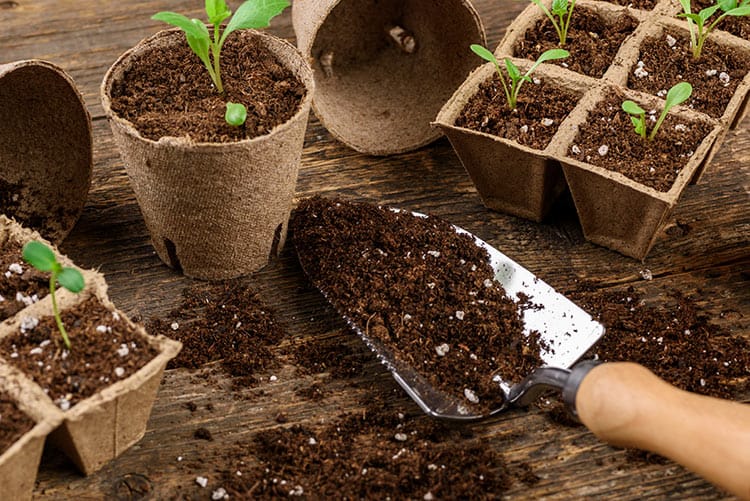
Last spring, like many springs before, I went to Walmart and picked up some peat pots to start seedlings in my house before the weather warmed enough to plant them in the garden. I’d never really thought about where that peat—or the peat in the potting soil I use for container plants—came from.
Peat comes from wetlands, bogs, and marshes known as “peatlands.” It’s partly decayed organic matter from waterlogged locations that gets compacted together over time. To extract peat from peatlands for horticultural use, the peatlands are drained of water. Then, machinery is used to remove the peat from the location.
Peatlands are a carbon sink, meaning that they absorb and trap carbon dioxide (CO2) from the atmosphere. That’s a great thing for the environment. However, when people harvest peat it releases that carbon back into the atmosphere. This CO2 release contributes to climate change. Harvesting peatlands also impacts native plants and wildlife.
In addition to the environmental impacts, peat is a slow-growing resource. Peat harvesting practices deplete this natural resource at a much faster rate than it can reform. It takes about 10 years for 1 centimeter of peat to form (or about 25 years for an inch). Long-term peat farming just isn’t sustainable.
In-Ground Gardening Without Peat
Peat holds water without damaging plant roots and improves soil texture, which is why it’s so often used as a soil additive and found in garden soil mixes. For garden soil, it’s relatively easy to find alternative soil additives that will work.
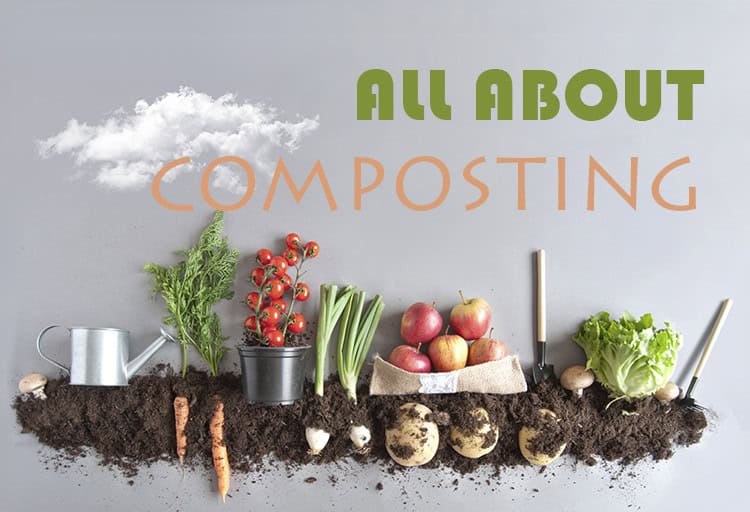
Compost is the ideal soil additive. It improves soil texture and fertility at the same time. You can purchase compost or easily make your own. There are also other soil additives available to match specific needs in the garden. For example, bentonite clay can help fast-draining soils retain moisture and coarse sand can help compacted, waterlogged soil drain better.
One of the things that gardeners often use peat moss for is to lower the soil pH and make it more acidic. For example, blueberries like acidic soil and my dad used peat moss as a soil additive to lower the soil pH, but he also mulches with pine needles because they have a similar effect. If you need to lower soil pH, you can use elemental sulfur and mulch acid-loving plants with pine mulch.
Indoor and Container Gardening Considerations
Replacing peat is more complicated when you’re talking about container gardens than it is for garden soil. Peat-free potting mixes are expensive and more challenging for gardeners to use. They typically require more water than peat-based mixes and may require increased or differently balanced fertilizers.
For container gardening, you can experiment with making your own peat-free potting mixes with combinations of coconut coir, perlite, vermiculite, leaf mold, and/or compost. Commercially available mixes are often wood-based. Be prepared to water the containers more often than you’re probably used to. Trial and error will likely be required to find something that works well.
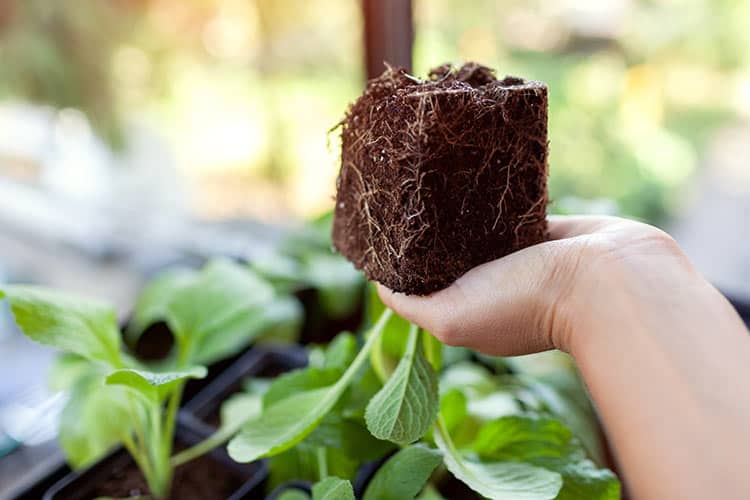
For germinating seedlings, you’ll want a sterile and soil-free mix with small, consistently sized particles. Seedlings are pickier than mature plants, so be prepared for some of the mixes you try not to work. You probably won’t want to switch over to a peat-free mix all at once, especially if you’re starting seedling commercially and rely on reliable germination and healthy growth for the success of your business.
Since there aren’t any peat bans in the U.S., you don’t have to feel pressured to get rid of peat entirely. It’s also much easier to reduce the amount of peat you use (such as mixing coconut coir in with your typical seed starting mix) than to eliminate it entirely.
Homeowners and Commercial Growers
If you’re a home gardener and you want to stop using peat or use less peat, it’s relatively easy. You can just switch to compost for in-ground gardens. You can purchase compost at any garden center, or easily make your own. With composting, you can turn everything from kitchen scraps to fallen leaves to shredded newspaper to farm animal manure. Blending compost with coir, perlite, and fertilizer will give you a DIY potting soil.
It’s a little more challenging if you’re a commercial grower. Getting rid of peat entirely would require trial and error testing different potting mixes to figure out what works and how to care for plants grown in the peat-free mixes. For commercial landscaping companies, switching to compost and other peat-free soil amendments is one way to make your landscape business more eco-friendly. Going “green” can help you market your company and stand out from the competition.
Whether you’re gardening and home or running a green industry business, it’s nice to stay up to date on trends and issues in the gardening world. There aren’t any bans on peat here in the U.S. like there are in the U.K., but knowing why there’s a push to move away from peat helps you make informed decisions about your own gardening and landscape practices.