Maximizing Uptime: Preventive Maintenance Tips for Commercial Lawn Mowers
Lawn mowing season is in full swing, and if you’re in the lawn care business, that means your mowers are seeing a lot of use. When you’re mowing multiple customer lawns a day, the last thing you want is for the lawn mowers to suddenly quit working.
A mower that won’t work can cost hours of troubleshooting to get it back up and running. Depending on the issue, it might be out of commission for days as you wait for repairs. It can put you behind on projects and be a huge hassle for you and your team.
Routine, preventative maintenance helps prevent costly downtime for repairs. It can also significantly extend a mower’s life. By taking a few minutes for daily, weekly, and monthly mower maintenance, you’ll be able to maximize mowing time and minimize downtime.
Make Time For Regular Maintenance
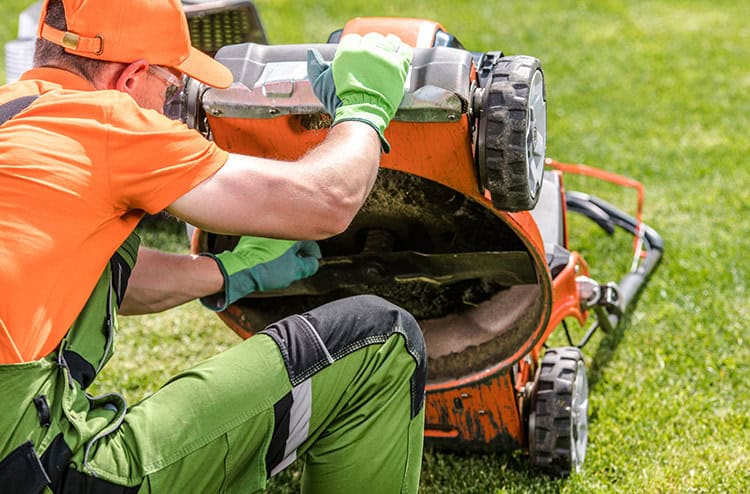
Sometimes, it’s easy to skip routine maintenance because it seems like it’ll take too much time. But if you keep putting off regular air filter cleaning, for example, eventually you’ll have to make time for engine maintenance. Scheduling time to run through a maintenance checklist on a regular basis helps save time and hassle later on.
Staying on top of tasks like cleaning the mower deck, sharpening mower blades, checking the tire pressure, and cleaning the air filter plays a big role in keeping mowers up and running. Make sure you train your crew to perform basic maintenance and spot issues with the machines they’re using.
Most large commercial mowers are gasoline-powered, so you’ll need to incorporate engine maintenance into your routine. If you have any battery-powered mowers, most of the routine maintenance is the same (sharpening blades, cleaning the deck, etc.), but there’s no engine maintenance. For battery-powered mowers, the big thing is to make sure you’re storing the batteries separate from the mower in a place where they won’t be exposed to extreme temperatures.
Sample Mower Maintenance Checklist
It’s a good idea to create a checklist for daily, weekly, and monthly mower inspections and maintenance during the growing season. That’ll help your crew stay consistent with preventative maintenance. Here’s a sample schedule that you can use and adjust as needed:
Daily
- At the start of the day, check tire pressure.
- Look over the mower to check for potential dangers like loose bolts, faulty electrical connections, cracked components, or leaking hoses.
- Check fuel and oil levels for gasoline mowers. For battery-powered mowers, check that you have charged batteries.
- If there’s a bag on the mower, check it for rips, gaps, or other issues.
- At the end of the day, clean the mower deck to remove debris.
Weekly
- Check the drive belt to make sure it’s not cracked or worn, and replace it if needed.
- Inspect the mower blades and sharpen if needed, or replace it if badly damaged.
- Grease any lubrication points, such as spindles, following the schedule in your mower’s owner’s manual.
Monthly
- Clean the air filter thoroughly and check if it should be replaced.
- Clean or change the fuel filter and inspect the fuel lines (note: timing for this varies, so check the owner’s manual for specific recommendations).
- Check the spark plug and clean or replace it if needed.
- For four-cycle engines, perform an oil change as needed based on how much you’re using the mower.

Work Around The Seasonal Schedule
Daily, weekly, and monthly maintenance during the growing season will help keep your mowers up and running. You can also prioritize pre-spring tune-ups and post-fall storage prep to avoid issues during the peak lawn mowing season.
Spring Tune-Up
- Before the spring rush begins, get lawn mowers out of storage and give them a thorough inspection for any rust, cracks, or damage.
- Check the tires for worn treads or low pressure and make sure the wheels are securely attached.
- Check the hydraulic system and electrical system for any issues.
- Make sure the spark plug, air filter, and fuel filter are clean and ready to go.
- Sharpen mower blades, if needed.
Fall Storage Prep
- Before storing a mower for winter, thoroughly clean the entire machine. Debris left on the mower over winter can encourage rust by trapping moisture.
- Stabilize the fuel. Fuel that contains ethanol will go bad after 30 days. When you’re storing mowers long-term, it’s best to add a fuel stabilizer to keep the fuel in the tank from going bad. Alternatively, you can drain the fuel.
- Check your owner’s manual for specific instructions on which parts to lubricate before storage.
Enlist Professional Help
Sometimes, you’ll run into maintenance or repairs that you’d rather not do yourself. It’s not always smart to take your crew off their regular jobs to tackle the more time-consuming maintenance. And if a lawn mower requires repairs, you might not have people trained to handle those fixes. That’s why it’s good to develop a relationship with a local dealer and service center to support your company’s equipment needs.
With a local dealership, support doesn’t end with the sale. They provide warranty support, routine maintenance, and necessary repairs. Building a relationship with a local dealer gives you expert support for the outdoor equipment that’s the backbone of your green industry business.
Here at Richardson Saw, we do all our repairs in-house. We stock one of the largest parts inventories in North Texas so we can provide a quick turnaround and get you back to mowing as soon as possible. We always service what we sell, and we’re also happy to service equipment that you bought elsewhere. If you’re in the market for new commercial equipment, your mower needs some repairs, or you want to schedule a spring tune-up, give us a call or stop by our Richardson, TX, location.