During hot, dry months of the year, even heat-loving Texas grasses can struggle to grow. Lawns with irrigation can stay green and growing, but water restrictions during a drought can cut back on irrigation as well. When the grass turns dry and growth slows to a crawl, what do you do about lawnmowing?
This is a particularly challenging question for commercial lawn and landscaping companies. When you’re managing multiple clients and have a tight schedule, it can be hard or impossible to change things around in response to the weather. The kind of contract you have with your clients also determines whether you can or will change mowing schedules during drought conditions.
Mowing Schedules and Service Contracts

Different companies choose to handle slowed grass growth during drought in different ways. A lot of this is based on the type of agreement you have with clients. The contracts you sign should include details about how you will handle lawn care during drought and what happens if customers cancel one week.
For some contracts, you won’t lose money if customers cancel. For others, your revenue will dip during seasons when lawns require less frequent mowing. Here are a few, though not all, of the different ways lawn care professionals might handle the question of whether to cut a client’s lawn during a drought.
- A lawn care company has a contract to deliver a certain number of mows per year. During droughts, they continue to mow on schedule because too many skipped weeks will push their yearly mow-counts later in the year than the growing season extends.
- Another company works on a pay-per-week schedule. They budget with the assumption that their revenue will dip during dry weather because customers will cancel.
- A lawn and landscaping company contracts with clients for monthly lawn care. The contract includes that they will replace lawn mowing with other services (such as trimming, gutter cleaning, and weed removal) if the grass does not grow fast enough to mow every week.
If your company only cuts lawns and you find that slowdowns during drought are impacting your business, consider diversifying to offer more services. It’s an easy jump from lawn mowing services to offering trimming, fertilization, aeration, and weed removal. You might also consider services like installing irrigation systems, maintaining landscape plants, cleaning gutters, and leaf removal.
Tips for Working With Water Restrictions
Water restrictions during dry months of the year help ensure that there’s enough water for everyone when there’s little or no rainfall. Those restrictions can be tough on grass, but it’s important to follow them.
If local restrictions allow for some water to be used on lawns, educate customers on water-saving tips. Watering early in the morning or late in the day helps minimize evaporation, ensuring more water gets to the grass roots. Also, watering deeply once a week is better for the grass than shorter, more frequent watering.
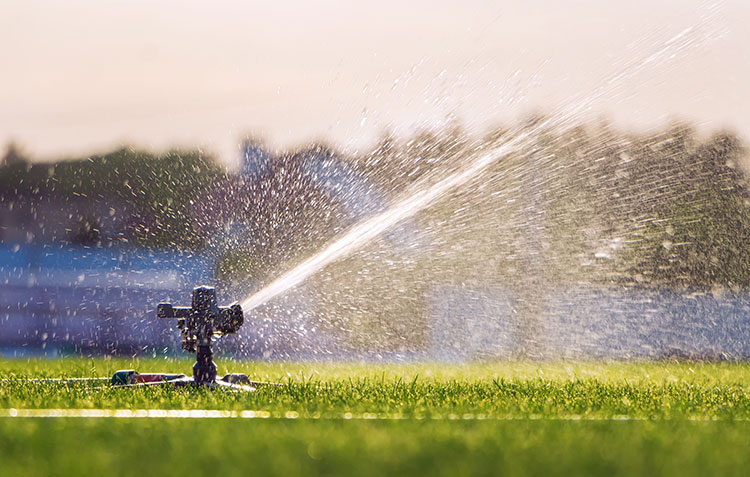
If customers don’t yet have an irrigation system, or their system is not water-efficient, you can try to upsell them on an improved irrigation system. A water-efficient irrigation system, especially one paired with smart features, can help keep lawns green and growing while using less water.
Lawn Care in Drought Conditions
If customers can keep watering their yard, drought conditions won’t have much of an impact on mowing. If customers have to dramatically cut back on water use or don’t water their lawns, there are a few things to keep in mind.
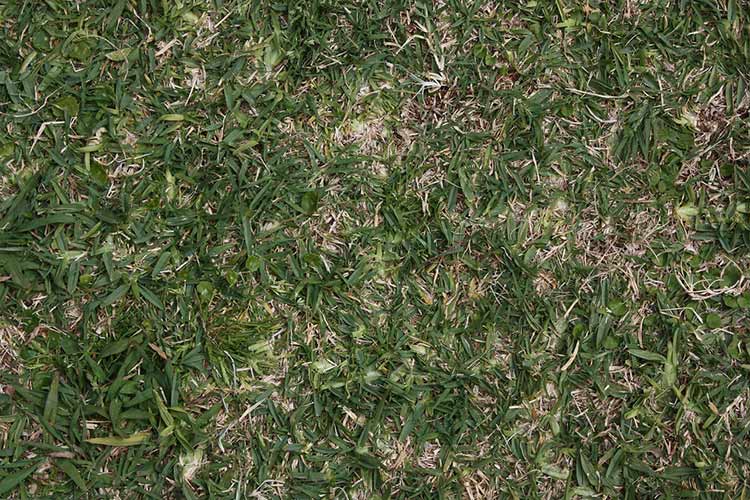
Mowing during a drought can have an impact on grass health. Mowing dry, brittle grass can stress the plants. However, you can minimize the impact by keeping mower blades sharp. This ensures that you’ll be cutting the grass cleanly rather than tearing the leaves with a dull blade.
Another way to help the lawns survive a drought is to raise the mowing height. Mowing higher encourages the grass roots to grow deeper into the soil, improving the grass’s drought resistance. Most customers won’t notice if you increase the mowing height by a half-inch or so. It’s still a good idea, though, to share educational information about mowing heights and drought resistance, especially if you want to raise the height by an inch or more.
When lawns are dry, there’s often more dust stirred up by lawn equipment. Make sure you’re checking and cleaning air intakes and filters regularly to counteract the increased dust in the air.
Keep Your Cool
Other than the potential for increased dust, drought conditions on their own don’t have much of an impact on commercial lawn equipment. Drought is often accompanied by high heat, though, and that can affect how equipment performs.
Quality commercial equipment is designed to handle summer heat. Extremely high temperatures can still take a toll, though. Some extra preventative maintenance and a few precautions can help your equipment last longer and keep performing through the hottest months of the year.
It’s particularly important to keep air intakes and air filters clean during hot weather, so that air flow can cool the gasoline engine or battery-powered motor. In addition, lawn equipment overheats faster when the heat index is high. When it’s very hot outside, turn the equipment off and let it rest in the shade for a while so the engine can cool. It’s a good idea for operators to take breaks when it’s hot, too.
Managing your commercial equipment, mowing schedules, weather changes, and other challenges can be tough. Working with a local dealership can help ease the burden of equipment maintenance, operator training, sourcing parts, and more. Reliable equipment is the lifeblood of a green industry company, and Richardson Saw & Lawnmower has been supporting landscape professionals and contractors for over 50 years. Stop by if you need new equipment, parts, or professional service.