Texas lawns range from thick Bermuda grass to slow-growing Zoysia to native Texas bluegrass. The type of grass in your lawn helps determine the best way to care for your grass, including how you mow. Choosing the right care routine not only keeps your lawn looking lush, but it also protects it against pests, weeds, and seasonal stress.
While all lawn grass has some similarities, the different types of grass have slightly different care needs and growing habits. The different textures of grass leaves, their tolerance for drought and heat, how quickly they grow, and recommended mowing height all play a role in determining the best way to care for your lawn.
We’ve published articles about Texas turf grass here on Richardson Saw before (such as “What Type of Grass Is In My Lawn?” and “Texas Grasses for Sun & Shade”). Today’s article collects all that information–and more–into one ultimate guide designed to make lawn care easier for Texas homeowners.

Understanding Texas Grass Types
Texas is a big state with a wide variety of climates represented in the different regions. Where you live determines which grass types can thrive in your lawn. For existing lawns, you can examine the grass’s appearance and growth habit to figure out what type(s) of grass are in your lawn. If you’re unsure about the grass type, your local agricultural extension can help.
Here in the Dallas-Fort Worth area, we’re in USDA hardiness zone 8. That puts us in a growing region where some cool-season grasses can thrive, as well as the warm-season grasses most common in Texas lawns.
| Grass Species | Type of Grass | USDA Zones | Mowing Height | Shade Tolerance |
|---|---|---|---|---|
| Tall fescue | Cool-season | Zones 3-8 | 1½ to 3 inches | Good in sun or shade |
| Texas Bluegrass | Cool-season | Zones 3-9 | 1½ to 2½ inches | Good in sun or part shade |
| Buffalo grass | Warm-season | Zones 4-9 | 2-3 inches | Best in full sun |
| Zoysia grass | Warm-season | Zones 6-9 | ½ to 1½ inches | Good in sun or shade |
| Bermuda grass | Warm-season | Zones 7-10 | 1 to 2 inches | Best in full sun |
| Centipede grass | Warm-season | Zones 7-10 | 1½ to 2½ inches | Good in sun or part shade |
| St. Augustine grass | Warm-season | Zones 8-10 | 2 to 4 inches | Best in partial shade |
| Bahia grass | Warm-season | Zones 7-11 | 3 to 4 inches | Best in full sun |
Hybrid varieties of the different grasses may be available that are hardier in warmer or cooler zones. Check with local nurseries and lawn specialists for recommendations if you’re planting a new lawn and want a specific type of grass.

Understanding Sun, Shade, and Heat Tolerance
Most lawn grasses thrive in full sun. The exception is St. Augustine grass, which does best in dappled shade. Some of the sun-loving grasses, though, have a high shade tolerance and can do well in partial shade. There aren’t any grasses that grow in deep, full shade.
For sunny yards, most of the grasses in this article will work well. For yards with sunny and shady areas, zoysia or a mix of Texas bluegrass and tall fescue will work well. In shady lawns, zoysia, St. Augustine, or a bluegrass-fescue blend will be best.
In general, warm-season grasses are more heat and drought-tolerant than cool-season grasses. A lawn with tall fescue and Texas bluegrass would need more water to stay green and growing in the summer, especially if it’s in full sun. If the summer gets too hot, cool-season grass will go dormant. All warm-season grasses have better heat and drought tolerance than cool-season grasses, but the most drought-tolerant are Bermuda grass, Buffalo grass, and zoysia grass.
Fertilizing and Aerating Schedules
Your fertilizing and aerating schedule for the year will depend on whether you’re growing cool-season or warm-season grass in your yard. Cool-season grass grows best in the cooler weather of fall, winter, and spring, and it may go dormant in the summer. Warm-season grass grows fastest in the warmer months of spring, summer, and fall, and may go dormant in the winter.
If you have warm-season grass in your lawn, start fertilizing in late spring once the grass begins actively growing. Continue to fertilize on the schedule recommended by your fertilizer package until early fall when the grass starts to go dormant. Aerate warm-season grass once a year in the spring. For best results, water your lawn a day or two before aeration so the soil is soft enough for plugs to be removed effectively.
If you have cool-season grass in your lawn, fertilize during its peak growth in the spring and fall. Stop fertilizing during the hot summer months unless you can water often enough to keep the grass actively growing. Aerate cool-season grasses once a year in the fall. Overseeding at the same time can help fill in bare patches and keep your lawn thick and healthy going into the next growing season.
Zoysia, bahia, and centipede grasses have low fertilizer needs. They may need fewer fertilizer applications than other lawns, or even no fertilizer. If you’d rather not use chemical fertilizers on your lawn, you can apply compost to the lawn instead. Compost applied right after yearly aeration works particularly well for grass with low fertilizer needs. You can also use compost on grass with higher fertilizer needs, but you may need to supplement with additional low-release lawn fertilizer. Choosing the right product and timing your applications carefully will reduce waste, save money, and prevent unnecessary stress on the grass.
Different Cutting Needs of Different Grasses
As you can see in the above chart, different types of grasses have different recommended mowing heights. Those heights indicate the cutting range that keeps that type of grass healthy. Zoysia can thrive when you cut it just 1 inch high, but cutting any shorter than 2 inches would stress St. Augustine grass. To keep the grass healthy, which helps improve its drought resistance and ability to resist weed growth and diseases, make sure you’re cutting in the recommended range for your grass.
You can cut grass higher to help it resist a drought. Cutting at the high end of the recommended mowing range, or even an inch taller than that, encourages the grass to grow deeper root systems, which helps it survive low water conditions. If you have a Bermuda grass lawn, for example, you might cut it to 1 inch during times when it’s getting plenty of water from rain or irrigation. If you’re facing water restrictions in the summer, though, the grass will grow better if you cut it at 2 to 3 inches.
For all species of grass, always follow the ⅓ rule of mowing. Each time you mow, you should only remove ⅓ of the overall grass height. For example, if you want your grass to be 2 inches tall, you should mow it when it is 3 inches tall and cut just 1 inch off the grass. Following the ⅓ rule helps prevent stress to the grass. It also helps keep clippings small so they’re less visible on the lawn. Leaving clippings on the lawn is healthy for the grass because the clippings return water and nutrients to the soil as they break down.
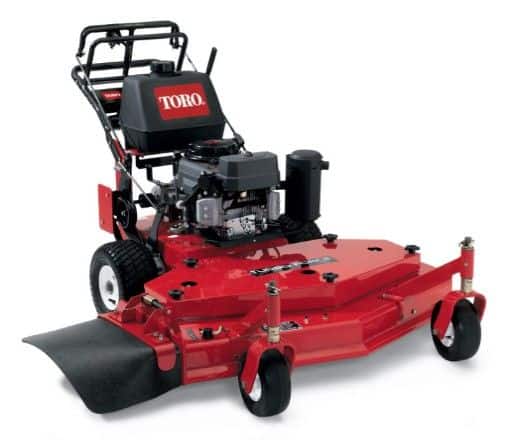
If you’re in the market for a new mower to make your Texas turf grass thrive, come visit Richardson Saw & Lawnmower. A quality mulching mower with sharp cutting blades and a reliable string-trimmer are the main tools you need to keep your lawn looking great and growing well. We carry homeowner and commercial mowers and trimmers from top-quality brands, and we’ll be happy to help you find the perfect mower for your needs.